Professional Training: Why It Matters and How It Shapes Modern Careers in 2026
Why Professional Training Matters More Than Ever
The professional world has changed dramatically over the past decade. Automation, artificial intelligence, remote work, and the rise of freelance platforms have transformed the skills employers look for. Today, having a degree is no longer enough. What truly sets professionals apart is their ability to learn continuously, adapt quickly, and upgrade their skills through relevant training.
Professional training—whether through online courses, certifications, bootcamps, or corporate programs—has become essential for anyone who wants to stay competitive in today’s global job market.
In this comprehensive guide, we explore what professional training really means, why it is so important, the different types available, and how individuals and companies can use it to build sustainable career success.
Table of Contents

1. What Is Professional Training? A Modern Definition
Professional training refers to structured learning programs designed to help individuals develop job-related skills, industry knowledge, and practical competencies required for success in their careers. These training programs may be delivered through various formats, including:
- Online courses and e-learning modules
- In-person workshops or seminars
- Corporate training programs
- Accredited certification programs
- Technical bootcamps
- One-on-one coaching and mentoring
- Hybrid learning models
The core objective is clear: help learners build valuable, market-ready skills that enhance their employability and career growth.
Professional training bridges the gap between education and the workplace, giving individuals the tools they need to transition smoothly into the job market—or take their career to the next level.
2. Why Professional Training Is Essential in Today’s Job Market
Professional training has always existed, but today it plays a critical role in career development. Here are the main reasons why:
2.1. Rapid Technological Change
Technology is evolving at an unprecedented speed. Skills that were relevant five years ago may already be outdated today. For example:
- AI tools now assist in marketing, writing, design, and data analysis.
- The rise of automation has replaced repetitive tasks.
- New coding languages and tools emerge every year.
Professional training ensures that you stay up-to-date and avoid becoming obsolete in your field.
2.2. Increased Competition in the Workforce
More graduates than ever are entering the job market, and remote work creates global competition. Employers expect candidates to arrive ready with:
- Technical competencies
- Digital literacy
- Professional behaviour
- Adaptability
Training helps differentiate your profile and shows that you invest in your own development.
2.3. Better Employment Opportunitie
Professionals who complete training programs often get:
- Higher salaries
- Faster promotions
- Better job mobility
- Access to more specialised roles
In many industries—IT, marketing, design, finance—certifications are even required to qualify for certain positions.
2.4. Confidence and Productivity Boost
When you understand your tools and have mastered your role, your confidence increases. Trained employees:
- Make fewer mistakes
- Produce higher quality work
- Solve problems more effectively
- Become valuable team members
In freelancing, strong training translates into better client satisfaction and higher rates.
2.5. The Rise of Freelancing and Self-Employment
Millions of people are turning to freelancing. But freelancers must be:
- Highly skilled
- Flexible
- Independent
- Capable of managing clients and projects
Without professional training, freelance success is nearly impossible.
3. Different Types of Professional Training
Professional training is not one-size-fits-all. Here are the main categories:
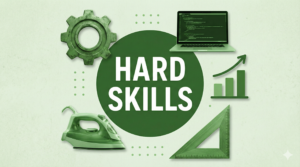
3.1. Technical Training (Hard Skills)
Hard skills are measurable, teachable abilities that directly impact job performance. Examples include:
- Programming languages (Python, Java, JavaScript)
- Graphic design (Photoshop, Illustrator)
- Cybersecurity
- Data analysis
- Accounting & finance
- Digital marketing
- Project management tools
Hard skills training is especially important in modern careers because employers expect practical, job-ready expertise.
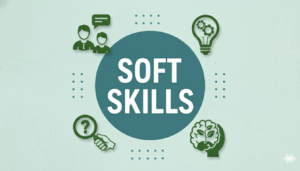
3.2. Soft Skills Training
Soft skills are personal and interpersonal qualities that influence how you work and interact with others. They include:
- Communication
- Emotional intelligence
- Leadership
- Teamwork
- Critical thinking
- Problem-solving
- Time and stress management
Studies show that 75% of career success comes from soft skills. This makes soft skills training indispensable for leadership and professional growth.
3.3. Certification Programs
A certification is an official credential proving that you have mastered a specific skill or topic. Popular certifications include:
- Google Career Certificates (Digital Marketing, Data Analytics, UX Design)
- Project Management Professional (PMP)
- AWS Cloud Practitioner
- Cisco CCNA
- IELTS / TOEFL (Language certification)
Certifications often increase credibility and open doors to career opportunities.
3.4. Language Training
Language skills have become one of the most valuable assets for global jobs. Learning languages such as English, French, Spanish, or Arabic can:
- Expand your job opportunities
- Improve your confidence
- Allow you to work in international environments
- Make you competitive on freelance platforms
Online language courses and conversation training are now more accessible than ever.
3.5. Corporate Training Programs
Companies invest heavily in employee training because it leads to:
- Higher productivity
- Better employee retention
- Stronger team performance
- Innovation and competitiveness
Corporate training often includes subjects like communication, sales, leadership, and technology.
4. How to Choose the Right Professional Training Program
With so many training programs available, choosing the right one can be overwhelming. Here are key factors to consider:
4.1. Identify Your Career Goals
Ask yourself:
- Do I want a better job?
- A promotion?
- A career change?
- To start freelancing?
- To improve my income?
Your goals determine the best training path.
4.2. Check the Quality of the Course
A good course should include:
- A structured curriculum
- Real-life examples and case studies
- Practical exercises
- Industry-relevant content
- Good learner reviews
Avoid programs that promise fast results without real learning.
4.3. Confirm Certification Recognition
Not all certifications are equal. Before enrolling, check:
- Is it recognized by companies?
- Is it accredited?
- Is it required for certain job roles?
Industry-recognized certifications have higher value.
4.4. Consider Learning Flexibility
If you’re working or studying, online courses offer:
- 24/7 access
- Self-paced learning
- Mobile learning
- Affordable pricing
Hybrid models combine the benefits of online and offline learning.
4.5. Compare Cost vs. Value
Professional training is an investment. Look for:
- High-quality content
- Practical skills
- Job-placement support (bonus)
- Good return on investment
Sometimes, a low-cost program may be enough; other times, a premium certification is worth every penny.
5. Benefits of Professional Training for Freelancers
Freelancers depend heavily on skills. Training gives freelancers:
✔ Credibility with clients
✔ A strong, professional portfolio
✔ The ability to charge higher rates
✔ Global opportunities on platforms like Upwork, Fiverr, and Malt
✔ Confidence to manage projects independently
A freelancer who doesn’t invest in training will struggle to compete.
6. The Future of Professional Training
The future of training is shaped by technology. We expect:
AI-powered learning
Personalized learning paths with adaptive difficulty.
Micro-learning
Short, targeted lessons that fit into busy schedules.
VR and AR training
Immersive learning environments for medicine, engineering, and design.
Skills-first hiring
Companies focusing on skills rather than degrees.
Lifelong learning as a norm
Professionals will continuously update their skills throughout their careers.
7. The Power of Continuous Learning
Professional training is no longer optional — it is the foundation of long-term career success. Whether you are a student preparing for the job market, an employee seeking career growth, or a freelancer aiming to expand your opportunities, continuous training will help you stay relevant, competitive, and confident.
The world is changing fast. Skills become outdated, industries evolve, and new opportunities emerge. The best investment you can make today is in your education, your skills, and your future.