Job Interviews: 5 Proven Strategies to Conquer Anxiety and Get Hired
The Space Between Anxiety and Opportunity
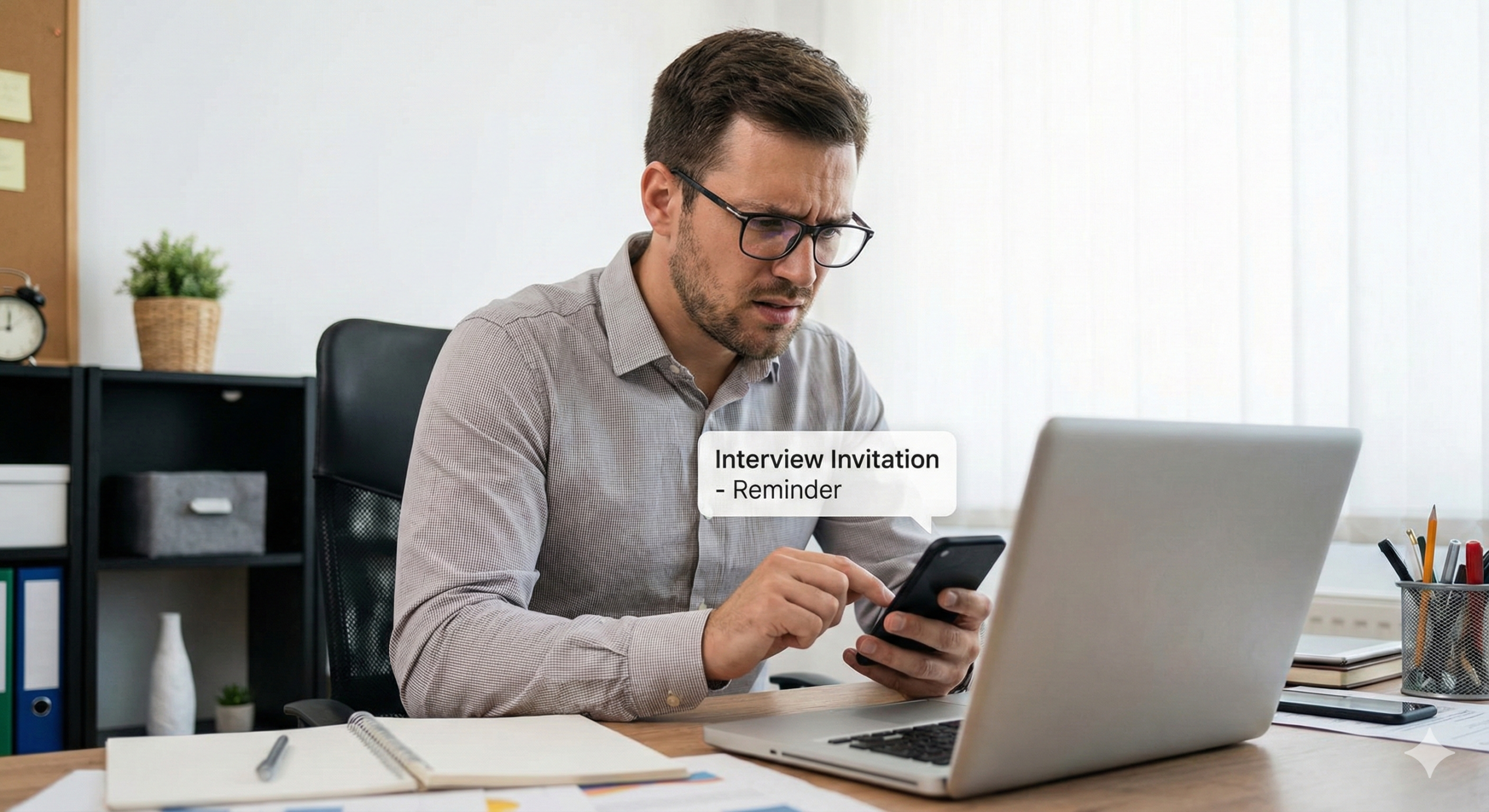
Job interviews are the gateway to your future, yet they often feel like an interrogation. You know the feeling. It starts the moment your phone buzzes or that email notification slides onto your screen inviting you to meet.
For a split second, there is a rush of pure adrenaline. You have cleared the first hurdle. Your resume worked. But almost immediately, that excitement is hijacked by a creeping sense of dread.
You might feel sweaty palms, a racing heart, or the sudden conviction that you are an impostor about to be exposed. This emotional rollercoaster is entirely normal. However, successful candidates know a secret: job interviews are not about perfection; they are about connection.
The hiring manager wants you to win. They have a problem (an open role), and they are desperate for you to be the solution.
While you cannot control every variable in the room, you can control your preparation. When you replace “hoping for the best” with “knowing your stuff,” anxiety transforms into performance fuel. This guide will walk you through the essential phases of job interviews, ensuring that when you walk into that room, you are ready to own the moment.
1. Preparing for Job Interviews: The Deep Dive
Most candidates skim the posting, get the general “gist” of the role, and show up. If you want to stand out during job interviews, you need to treat the job description like a treasure map.
Don’t Just Read the Description—Decode It
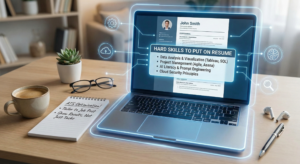
Your first task is to deconstruct the employer’s wish list. Print out the job description and take a highlighter to it. Identify the top five hard skills and the top three soft skills they mention repeatedly.
Create a “Problem/Solution” chart:
- Their Need: List the specific requirements (e.g., “Project Management,” “Python proficiency”).
- Your Evidence: Next to each, write a specific example from your past where you used that skill.
This exercise prevents you from rambling. When they ask about project management during job interviews, you won’t give a definition; you will give a concrete example.
Sherlock Holmes Mode: Advanced Company Research
Browsing the “About Us” page is the bare minimum. To truly impress a hiring manager, you need to understand the company’s current context.
According to career experts at Forbes, candidates who understand a company’s “pain points” are significantly more likely to be hired.
Look for these specific details:
- News Search: Have they recently merged? Launched a new product?
- Financials: If they are public, look at their recent quarterly earnings.
- Social Media: Check their LinkedIn. What is the tone? What are employees posting?
If you can walk into job interviews knowing not just what the company does, but why they are hiring right now, you shift the dynamic. You stop being a generic applicant and start sounding like a consultant.
2. Cracking the Code of Common Questions in Job Interviews
Interviews feel unpredictable, but they are actually remarkably standardized. Roughly 90% of the conversation will likely revolve around a few core variations of common questions.
The “Tell Me About Yourself” Trap
This is usually the opening question in most job interviews, and it is where many candidates stumble. They start reciting their biography from kindergarten.
The interviewer isn’t asking for your life story; they want a trailer of your career movie. Use the Present-Past-Future formula:
- Present: State your current role and a recent big win.
- Past: Mention key experiences that led you here.
- Future: Pivot to why you are sitting in this chair right now.
Mastering Behavioral Questions with the STAR Method
You will inevitably face questions like “Tell me about a time you failed.” These are behavioral questions based on the logic that past behavior predicts future performance.
To answer these without rambling, use the STAR Method. This structure keeps your answers focused.
- S – Situation: Set the scene briefly.
- T – Task: What was the goal?
- A – Action: What did you specifically do?
- R – Result: The outcome (use numbers!).
Using structured responses like STAR is highly recommended by institutions like MIT Career Services to help interviewers easily score your performance.
The “Greatest Weakness” Paradox
“What is your greatest weakness?” This question tests self-awareness.
- Don’t: Say “I work too hard.”
- Do: Choose a real, fixable weakness and explain the remedial action you are taking.
For example: “I sometimes struggle with public speaking. To improve this, I’ve started volunteering to lead our weekly team stand-ups.”
3. Navigating Remote and In-Person Job Interviews
The logistics of job interviews have changed. Whether you are shaking hands or logging into Zoom, the environment tells a story about your professionalism.
The Digital Interview (Zoom/Teams Etiquette)
Remote sessions are now standard. However, being at home can lull you into a false sense of comfort.
- The Tech Check: Test your audio and internet speed 30 minutes prior.
- Eye Contact: Look at the camera lens, not the screen. This simulates eye contact for the viewer.
- Lighting: Ensure the light source is in front of you.
The In-Person Experience
If you are invited to the office, the interview begins the moment you enter the parking lot.
- The Receptionist Rule: Be incredibly polite to the reception staff. Hiring managers often ask them, “How was the candidate in the lobby?”
- Body Language: Sit up straight. Mirror the interviewer’s energy.
- Timing: Arrive 10 to 15 minutes early. Arriving too early puts pressure on the host.
4. Strategic Questions to Ask During Job Interviews
Toward the end of the session, the interviewer will ask, “Do you have any questions for us?”
Answering “No” is a major mistake. It signals a lack of curiosity. You are interviewing them just as much as they are interviewing you.
Prepare a list of questions that show strategic thinking:
- “What does excellence look like in this role over the first 90 days?”
- “How does the team handle conflict or differing opinions?”
- “How has this position evolved over the last few years?”
Asking insightful questions can leave a lasting impression, as noted by Harvard Business Review, distinguishing top-tier candidates from the rest.
5. The Follow-Up Strategy After Job Interviews
The process isn’t over when you walk out the door. The final impression happens in the inbox.
The 24-Hour Rule
Send a thank-you email within 24 hours. If it’s a Friday interview, send it by Monday morning.
Personalization is Key
Do not copy and paste a generic template. Hiring managers can smell a template a mile away. Reference a specific topic you discussed during the job interviews.
Example: “I really enjoyed our discussion about the upcoming product launch. It reminded me of a challenge I faced at my previous job, and I’d love to bring that experience to your team.”
Conclusion: Trusting the Process
Mastering job interviews is a skill, similar to a muscle that needs exercise. The first one might feel awkward. The second one will be better. By the third, you will find your rhythm.
Remember, the goal is not just to get an offer; it is to find a match. If you prepare thoroughly and still get rejected, the role likely wasn’t the right fit.
So, do the research. Practice your STAR stories. Put on the outfit that makes you feel powerful. You have done the work; now go take the seat you’ve earned.
Call to Action: We want to hear from you! What is the toughest question you’ve ever faced in job interviews? Drop your stories in the comments below—your experience might be the exact tip another reader needs!
FAQ: Frequently Asked Questions About Job Interviews
1. How do I dress for job interviews in a casual tech company? Even if the culture is “jeans and hoodies,” aim for Smart Casual. It shows respect. A clean button-down or blouse is always safe.
2. What should I bring to in-person job interviews? Bring three hard copies of your resume, a notebook, a pen, and a list of prepared questions.
3. How long do job interviews usually last? Screenings are 15-30 minutes. Hiring manager interviews are typically 45-60 minutes.
4. How do I handle resume gaps during job interviews? Be honest but brief. Explain the gap (caregiving, study, travel) and pivot to why you are excited to return.
5. What are the signs that job interviews went well? Positive signs include the meeting running over time, the use of “future tense” language (“When you start…”), and introductions to other team members.